A taste of Tokyo’s old downtown culture
Monjayaki is a savory pan-fried dish that originated in the downtown area of Tokyo, especially Tsukishima, where it remains most famous today. Its roots go back to the post-war period (around the 1940s–50s), when food was scarce, and people made simple, inexpensive snacks using flour and water.
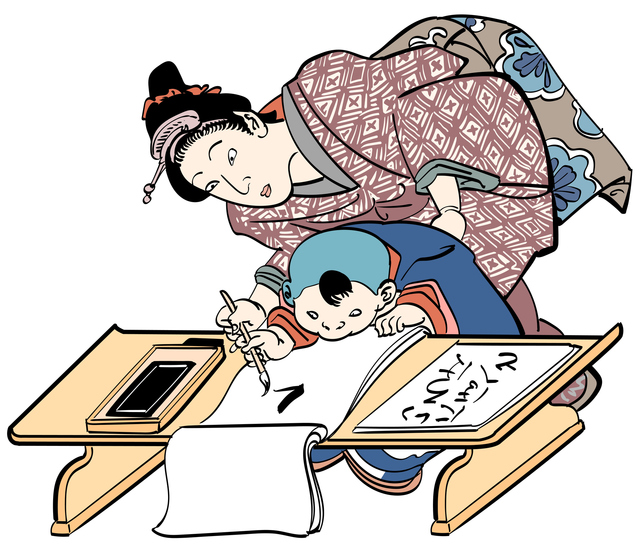
The name “Monjayaki” comes from the word “moji” (文字), meaning “letters.” In the past, children used to draw letters on the griddle with the runny batter before eating it—turning cooking into a fun, playful experience.
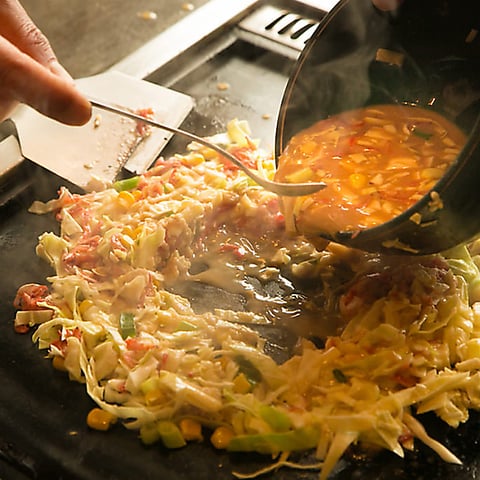
Unlike Okonomiyaki from Osaka, Monjayaki batter is more liquid and cooked directly on a hot iron plate. As it cooks, the ingredients—such as cabbage, seafood, or pork—create a rich aroma. When it’s ready, you scoop it up using a small spatula (hera) and eat it straight from the grill.
Today, Monjayaki is loved not only by locals but also by international visitors as a symbol of Tokyo’s casual food culture—a dish that’s as much about the social experience as the taste itself.